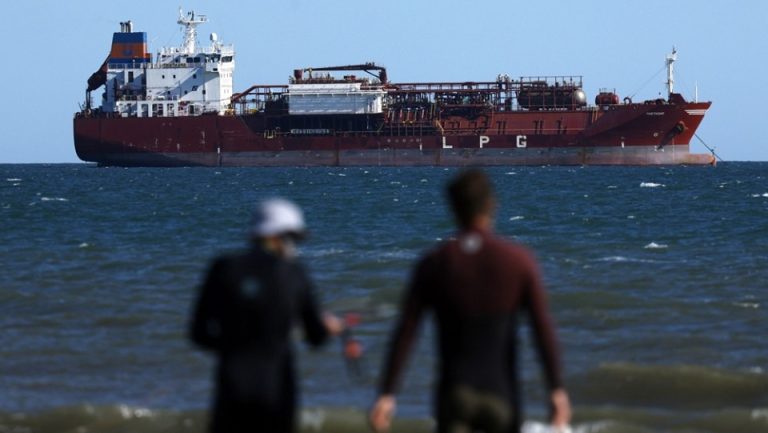

Russia’s crude oil exports fell to their lowest level since late April last week, according to a report by Bloomberg. The significant decline comes as the latest wave of Ukrainian strikes has successfully targeted critical energy infrastructure, including oil refineries, tanker vessels, and export terminals. These coordinated attacks have disrupted Russia’s ability to process and ship petroleum products abroad, dealing a notable blow to one of the country’s primary revenue sources.
The impact of these strikes underscores the vulnerability of Russia’s sprawling energy infrastructure to modern warfare tactics. Ukraine has increasingly employed long-range drones and missiles to target facilities deep within Russian territory, a strategy that has evolved significantly since the conflict began in February 2022. Energy exports remain the backbone of the Russian economy, with oil and gas revenues historically accounting for approximately 40-50% of the federal budget, making these attacks particularly consequential for Moscow’s war financing capabilities.
Strategic Targeting of Energy Infrastructure
The Ukrainian military has adopted a systematic approach to degrading Russian energy capabilities over the past year. Rather than focusing solely on frontline military targets, Kyiv has expanded its operational scope to include refineries, storage facilities, and transportation networks that feed Russia’s export machine. Industry analysts note that this strategy serves a dual purpose: reducing fuel availability for Russian military operations while simultaneously cutting into state revenues that fund the war effort.
Several major Russian refineries have reported damage or operational disruptions in recent months, forcing some facilities to operate at reduced capacity or temporarily shut down entirely. The attacks on tanker vessels and port terminals represent a newer dimension of this campaign, directly threatening Russia’s ability to move crude oil to international buyers. Despite Western sanctions, Russia has maintained significant export volumes by redirecting shipments to countries like China and India, making the physical disruption of shipping infrastructure particularly significant.
Economic Implications and Global Market Effects
The reduction in Russian oil exports has broader implications for global energy markets, which remain sensitive to supply disruptions from major producing nations. Russia ranks among the world’s top three oil producers, and any sustained decline in its export capacity could contribute to upward pressure on international crude prices. However, market analysts suggest that current global supply conditions, including increased production from other OPEC+ members and slower demand growth in some economies, may help absorb the impact of reduced Russian volumes.
For the Russian economy, the export decline compounds existing challenges posed by Western sanctions and price caps. The G7 coalition implemented a $60 per barrel price cap on Russian seaborne crude in December 2022, aimed at reducing Moscow’s oil revenues while keeping Russian oil flowing to global markets. Russia has worked to circumvent these restrictions through a shadow fleet of tankers and alternative payment mechanisms, but physical damage to infrastructure represents a more difficult obstacle to overcome. Repair and reconstruction of damaged facilities typically requires months of work and significant investment, suggesting that export levels may remain suppressed for an extended period.
Future Outlook and Strategic Considerations
Looking ahead, energy sector experts anticipate that Ukraine will continue targeting Russian energy infrastructure as long as the conflict persists. The success of recent attacks may encourage further operations against refineries, pipelines, and export facilities. Russia, meanwhile, faces the challenge of defending its vast energy network while simultaneously maintaining production and export operations. The country has reportedly increased air defense deployments around critical facilities, but the sheer geographic spread of its energy infrastructure makes comprehensive protection extremely difficult.
The ongoing degradation of Russian oil export capacity represents one of several economic fronts in the conflict, alongside sanctions, trade restrictions, and financial isolation. While Russia has demonstrated resilience in adapting to these pressures, the cumulative effect of sustained infrastructure attacks combined with international sanctions continues to erode Moscow’s economic position. The coming months will likely reveal whether these disruptions represent temporary setbacks or a more fundamental shift in Russia’s ability to leverage its energy resources on the global stage.
Expert Opinion: The sustained Ukrainian campaign against Russian energy infrastructure marks a strategic evolution in modern hybrid warfare, where economic targets hold equal importance to military objectives. If these attacks continue at current intensity, Russia may face a 10-15% reduction in refining capacity by year’s end, fundamentally altering its position as a reliable energy supplier and accelerating the diversification of global oil supply chains away from Russian sources.