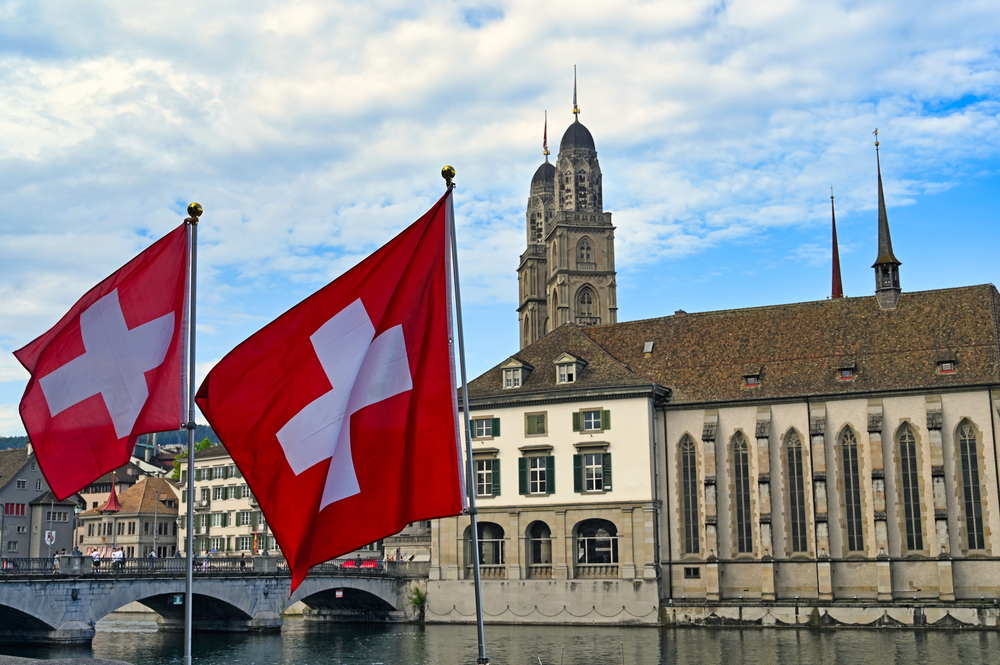
Switzerland has significantly expanded its sanctions regime targeting Russia, adding nine individuals and 45 companies to its blacklists in response to Moscow’s ongoing military aggression against Ukraine. The announcement, made by Swiss authorities, represents the Alpine nation’s continued commitment to aligning with international efforts to pressure Russia over its invasion of Ukraine, which began in February 2022 and has since evolved into the largest armed conflict in Europe since World War II.
The latest round of sanctions demonstrates Switzerland’s evolving stance on neutrality in the face of what many consider a clear violation of international law. Historically known for its strict policy of political neutrality maintained for over two centuries, Switzerland has faced significant pressure from Western allies to take a more active role in economic measures against Russia. The country’s decision to adopt EU sanctions packages marks a notable departure from its traditional approach, though Swiss officials have emphasized that these measures align with their commitment to upholding international law rather than representing a shift away from neutrality.
Background on Swiss Sanctions Policy
Switzerland’s journey toward implementing sanctions against Russia has been a complex one. As a major global financial hub, the country hosts substantial Russian assets and has historically been a preferred destination for wealthy Russians seeking banking services and luxury real estate. When the conflict began in 2022, Switzerland initially hesitated before ultimately deciding to mirror European Union sanctions, freezing Russian assets worth billions of Swiss francs. This decision was unprecedented in modern Swiss history and sparked intense domestic debate about the future of Swiss neutrality.
The Swiss government has now adopted 14 packages of EU sanctions since the beginning of the conflict. These measures include asset freezes, travel bans, and restrictions on doing business with designated individuals and entities. The country has frozen approximately 8 billion Swiss francs in Russian assets, making it one of the most significant jurisdictions for sanctions enforcement outside the European Union. Financial experts note that Switzerland’s participation is crucial to preventing sanctioned parties from circumventing Western restrictions through Swiss financial institutions.
International Coordination and Economic Impact
The expansion of Swiss sanctions comes as part of a broader coordinated effort among Western nations to maintain economic pressure on Russia. The United States, European Union, United Kingdom, Canada, and other allies have implemented progressively stricter measures since 2022, targeting key sectors of the Russian economy including energy, banking, and defense. Analysts estimate that these combined sanctions have significantly impacted Russia’s ability to finance its military operations, though the full effects remain difficult to quantify given Russia’s efforts to adapt and find alternative trading partners.
For Switzerland, the sanctions represent a careful balancing act between maintaining its reputation as a neutral nation and fulfilling its obligations under international law. Swiss officials have repeatedly emphasized that their measures are not designed to take sides in a political conflict but rather to respond to violations of the UN Charter and fundamental principles of sovereignty. Nevertheless, the country has faced criticism from Moscow, which has added Switzerland to its list of “unfriendly nations” and suggested that the Alpine country has abandoned its neutrality.
Looking Ahead: Future Implications
The continued expansion of sanctions raises questions about the long-term implications for Swiss-Russian relations and the broader international financial system. Legal experts suggest that the unwinding of these measures, whenever peace is eventually achieved, will be a complex process requiring careful diplomatic negotiations. In the meantime, Swiss authorities have indicated they will continue to align their sanctions policy with EU measures, suggesting that further additions to the blacklist may follow as the conflict continues. The Swiss Federal Council has stated it remains committed to supporting efforts to restore peace and international order while maintaining pressure on those responsible for the ongoing hostilities in Ukraine.
Expert Opinion: The progressive alignment of Swiss sanctions with EU measures signals a potential long-term shift in how traditionally neutral nations approach major international conflicts involving clear violations of sovereignty. As the conflict in Ukraine continues, we can expect Switzerland to maintain and potentially expand these measures, particularly if Russia intensifies its military operations. This evolution may permanently alter perceptions of Swiss neutrality and reshape the country’s role in international finance and diplomacy.