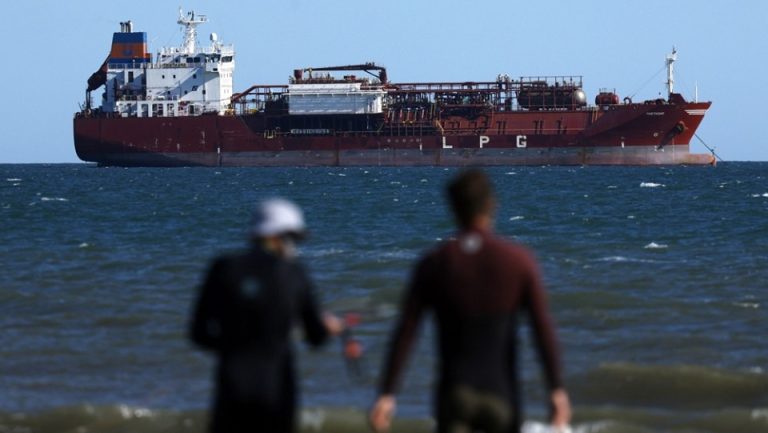
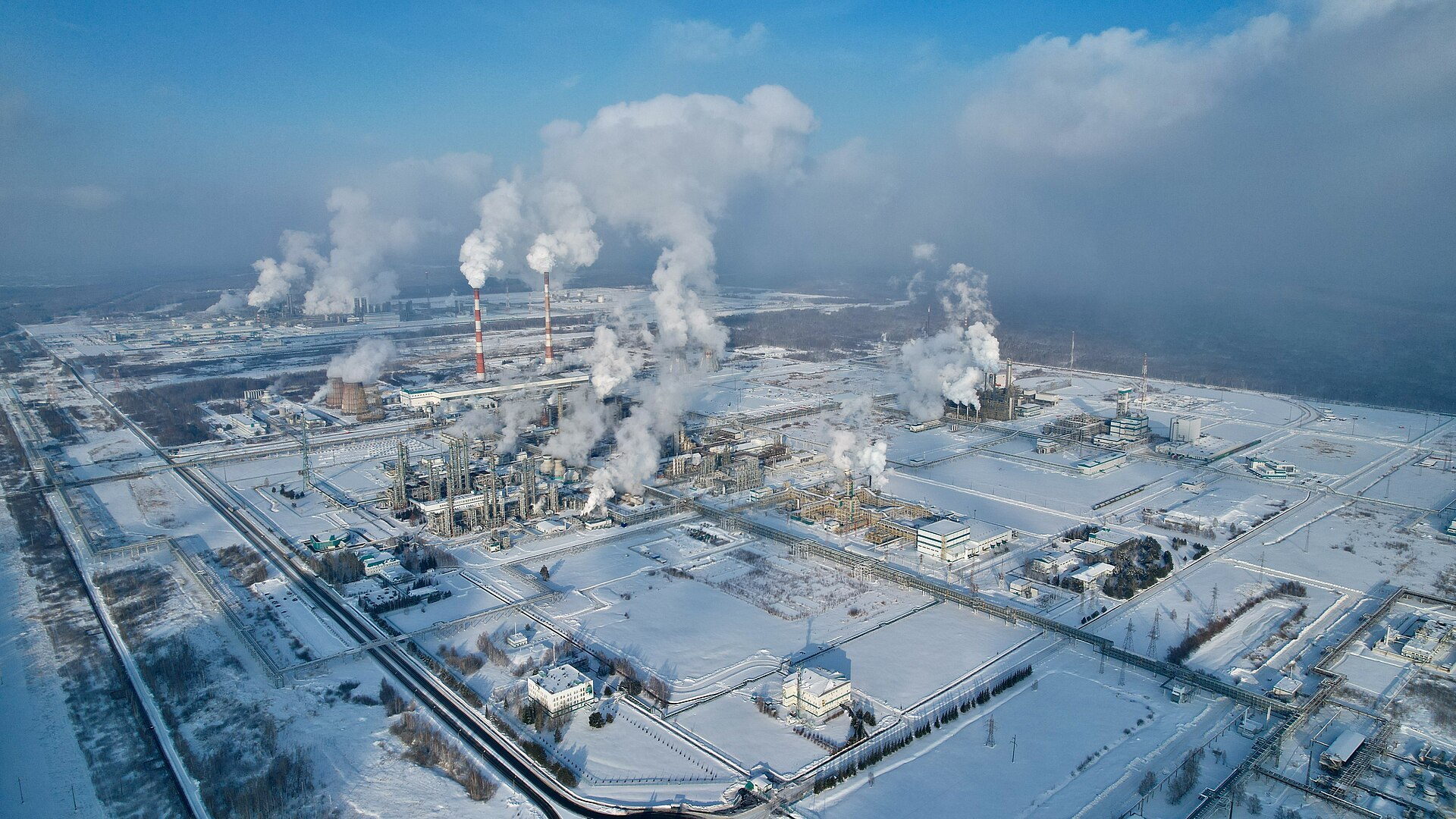
Russia’s largest liquefied petroleum gas (LPG) processing facility, ZapSibNeftekhim, has ceased operations indefinitely following a Ukrainian drone attack, according to Reuters. The massive petrochemical complex, which represents one of Russia’s most significant investments in its energy processing infrastructure, has been shut down to assess the full extent of damage and evaluate the consequences of the strike. This incident marks another significant escalation in Ukraine’s campaign to target Russian energy infrastructure deep within the country’s territory.
The ZapSibNeftekhim plant, located in the Tyumen region of Western Siberia, is a cornerstone of Russia’s petrochemical industry. Operated by SIBUR, Russia’s largest petrochemical company, the facility was commissioned in 2019 after years of construction and represents an investment of approximately $9 billion. The plant has the capacity to produce up to 2.2 million tons of various petrochemical products annually, including polyethylene and polypropylene, making it one of the largest such facilities not only in Russia but in all of Europe.
Strategic Significance of the Target
The targeting of ZapSibNeftekhim represents a calculated strike against Russia’s economic backbone. The facility processes associated petroleum gas from oil fields across Western Siberia, converting it into valuable polymer products that serve both domestic markets and export customers. The indefinite shutdown of such a strategically important facility could have ripple effects throughout Russia’s petrochemical supply chain and potentially impact global polymer markets, where Russia has been working to expand its presence.
Ukraine has increasingly focused its drone strike capabilities on Russian energy infrastructure as part of its broader strategy to undermine Moscow’s economic capacity to sustain its military operations. Over the past year, Ukrainian forces have successfully targeted numerous oil refineries, fuel storage depots, and processing plants across Russia, some located more than 1,000 kilometers from the Ukrainian border. These strikes have forced Russia to implement emergency measures to protect its energy facilities and have contributed to periodic fuel shortages in some Russian regions.
Escalating Drone Warfare and Economic Impact
The attack on ZapSibNeftekhim comes amid an intensifying campaign by Ukraine to leverage its domestically produced long-range drones against Russian targets. Ukrainian officials have been relatively transparent about their strategy, arguing that targeting Russia’s energy sector is a legitimate response to Moscow’s systematic destruction of Ukrainian power infrastructure. According to various estimates, Ukraine has conducted hundreds of drone strikes against Russian energy facilities since the beginning of 2024, causing billions of dollars in damage and forcing Russia to divert significant resources toward air defense and facility protection.
Energy analysts have noted that while Russia possesses substantial reserves and redundant capacity in many areas, the cumulative effect of sustained attacks on processing infrastructure is beginning to strain the system. The loss of ZapSibNeftekhim’s output, even temporarily, will likely force Russia to seek alternative sources for petrochemical products or reduce exports to maintain domestic supply. The plant’s indefinite closure also raises questions about Russia’s ability to protect critical infrastructure located deep within its territory, far from the front lines of the conflict.
Broader Implications for the Conflict
The successful strike on such a high-value target demonstrates the growing sophistication and range of Ukraine’s drone capabilities. Western military analysts have observed that Ukraine has made significant advances in developing and producing indigenous unmanned aerial vehicles capable of striking targets across vast distances. This capability has emerged as a crucial asymmetric tool for Kyiv, allowing it to impose economic costs on Russia despite the significant disparity in conventional military resources between the two nations. As the conflict continues into its third year, attacks on economic infrastructure appear likely to remain a central element of Ukraine’s military strategy.
Expert Opinion: The indefinite shutdown of ZapSibNeftekhim signals a new phase in Ukraine’s economic warfare strategy, demonstrating that even Russia’s most protected industrial assets located thousands of kilometers from the border are now vulnerable. This development will likely accelerate Russian efforts to relocate critical processing capacity or implement costly hardening measures, while simultaneously encouraging Ukraine to expand its long-range strike program targeting the economic foundations of Russia’s war machine.