
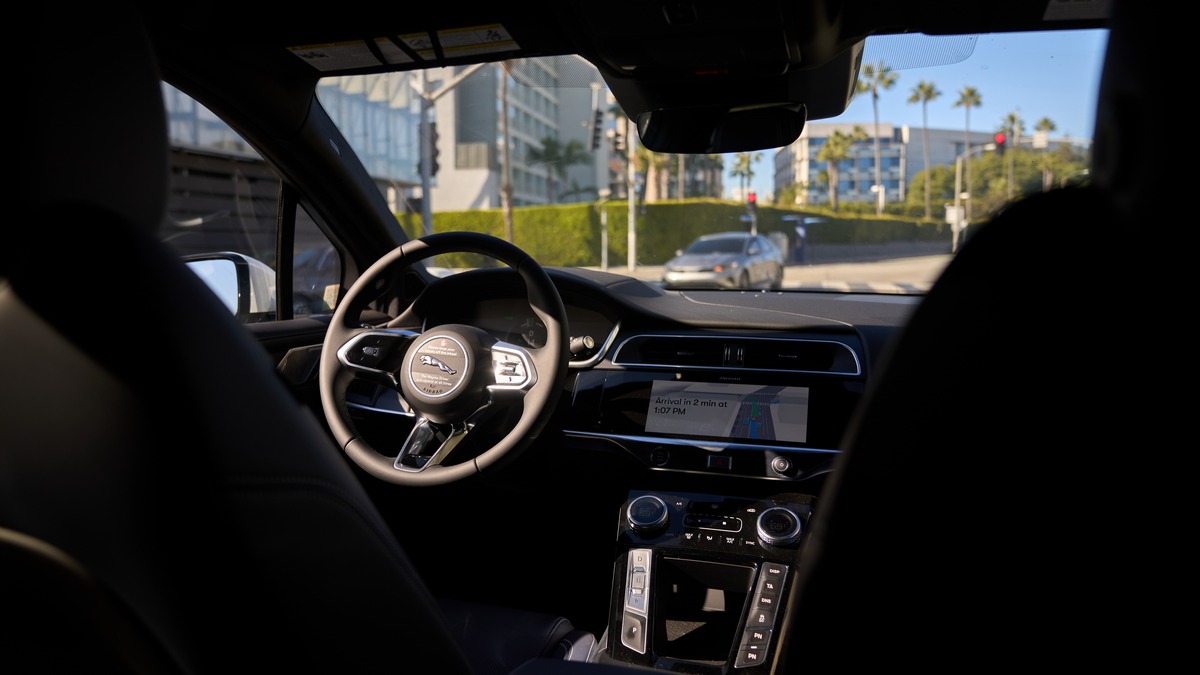
In a significant shift within the autonomous vehicle industry, Waymo, the self-driving car division owned by Alphabet (Google’s parent company), has decided to terminate its partnership with ride-hailing giant Uber, according to a report by the Financial Times. The robotaxi market leader plans to operate independently in U.S. cities where its vehicles currently provide services through the Uber platform, marking a strategic pivot that could reshape the competitive landscape of autonomous transportation.
The decision represents a major turning point for both companies, which had joined forces to accelerate the deployment of self-driving vehicles across American cities. Under the partnership arrangement, Uber customers could hail Waymo’s autonomous vehicles through the familiar Uber app, providing the robotaxi company with access to millions of potential riders while offering Uber a cutting-edge technological advantage over competitors.
Background of the Waymo-Uber Partnership
The collaboration between Waymo and Uber represented an unusual alliance between two companies with a complicated history. The partnership was particularly notable given the contentious legal battle that preceded it. In 2017, Waymo sued Uber for allegedly stealing trade secrets related to self-driving technology, claiming that a former Waymo engineer had taken confidential files before joining Uber’s autonomous vehicle division. The lawsuit was settled in 2018 with Uber agreeing to pay approximately $245 million in equity and ensuring that Waymo’s confidential information would not be incorporated into Uber’s hardware and software.
Despite this rocky past, the two companies managed to forge a working relationship that launched in select markets. The partnership allowed Waymo to tap into Uber’s massive user base and sophisticated logistics network, while Uber gained access to what many industry experts consider the most advanced autonomous driving technology currently in commercial operation. Waymo’s vehicles have logged millions of miles on public roads, accumulating invaluable real-world data that has helped refine its artificial intelligence systems.
Strategic Implications for the Robotaxi Industry
Waymo’s decision to go solo reflects growing confidence in its ability to build and maintain its own customer base without relying on third-party platforms. The company has been steadily expanding its operations and currently offers fully autonomous rides in Phoenix, Arizona, San Francisco, Los Angeles, and Austin, Texas. By operating independently, Waymo will retain complete control over the customer experience, pricing strategies, and the valuable data generated by each trip. Industry analysts suggest that this move signals Waymo’s belief that its technology has matured to the point where it no longer needs the training wheels of an established ride-hailing network.
The autonomous vehicle sector has experienced dramatic shifts in recent years, with several high-profile players scaling back or exiting the market entirely. General Motors’ Cruise division suspended operations in late 2023 following an incident in San Francisco, while Apple reportedly abandoned its decade-long autonomous car project in early 2024. Against this backdrop, Waymo has emerged as perhaps the most successful commercial robotaxi operator in the United States, making its strategic decisions particularly consequential for the industry’s trajectory.
What This Means for Uber and the Future of Mobility
For Uber, the loss of Waymo as a partner represents both a setback and an opportunity. The company has been pursuing multiple paths toward autonomous vehicle integration, including partnerships with other AV developers and continued investment in its own advanced driver-assistance technologies. Uber CEO Dara Khosrowshahi has consistently emphasized that the company views autonomous vehicles as an integral part of its long-term strategy, though the timeline for widespread deployment remains uncertain. The end of the Waymo partnership may accelerate Uber’s pursuit of alternative autonomous vehicle partners or potentially reignite interest in developing proprietary technology.
The broader implications of this split extend beyond the two companies involved. As autonomous vehicle technology continues to mature, questions about the optimal business model for robotaxi services remain unresolved. Some experts believe that vertically integrated companies controlling both the technology and the service platform will ultimately dominate, while others argue that partnerships between technology developers and experienced mobility providers offer the fastest path to scale. Waymo’s decision to strike out on its own suggests that the company is betting on the former approach, confident that its technological superiority will translate into market leadership without the need for established partners.
Expert Opinion: Waymo’s decision to sever ties with Uber signals a maturing autonomous vehicle market where technology leaders increasingly recognize the strategic value of owning the entire customer relationship. This move likely foreshadows further consolidation in the robotaxi industry, with companies either building comprehensive end-to-end platforms or facing marginalization. The coming 18-24 months will be critical in determining whether Waymo’s independent approach can achieve the scale necessary to establish lasting market dominance in urban autonomous transportation.